Outdoor Gym Essentials for Fitness Enthusiasts
Build a portable outdoor training kit—equipment, safety, weather planning, and recovery—so park and backyard workouts support your goals without boutique studio prices.
Why Take the Gym Outside
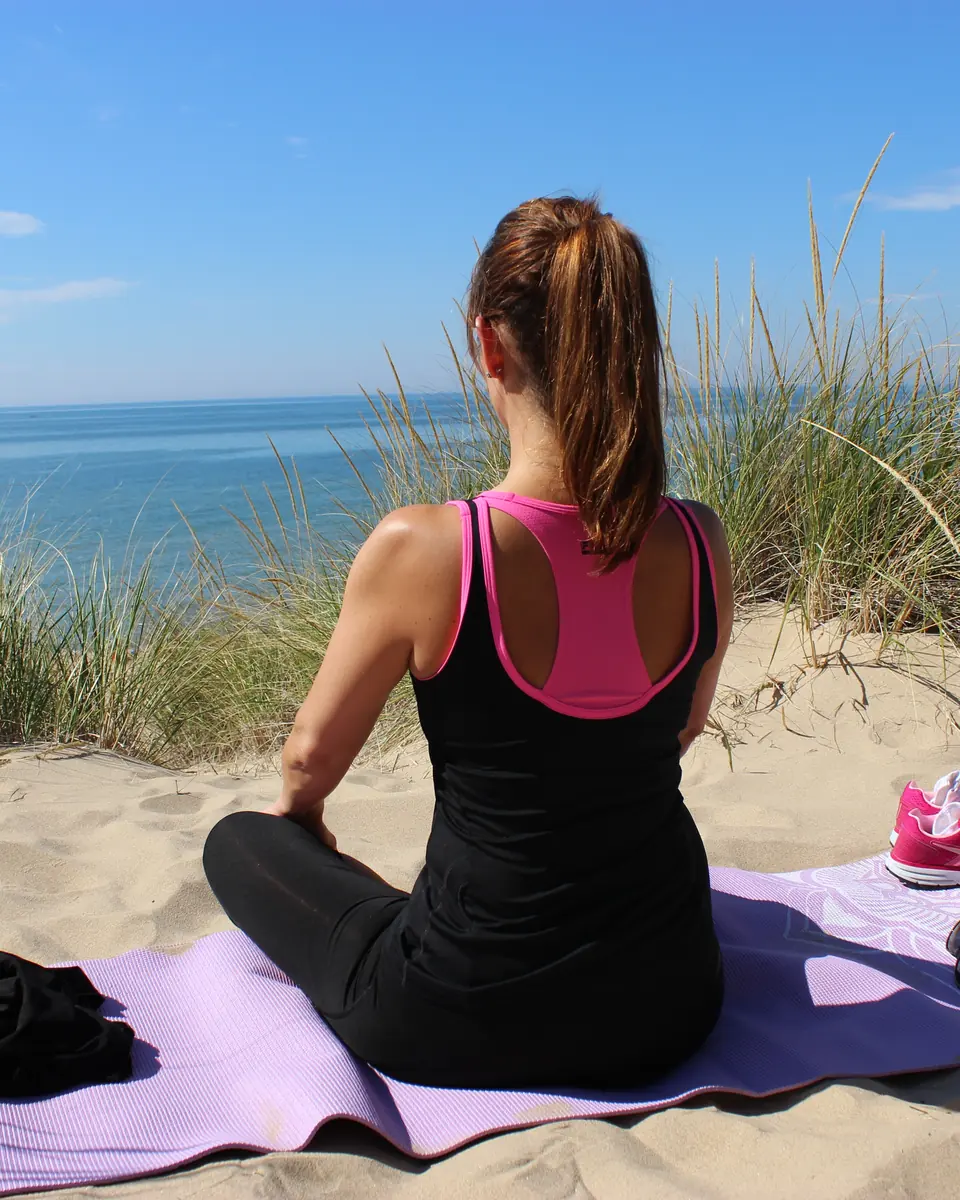
Outdoor training combines fresh air, variable terrain, and vitamin-D sun exposure (with sensible sun protection) in ways fluorescent studio ceilings cannot replicate. Fitness enthusiasts—whether they also attend Orangetheory intervals, Pure Barre classes, or CrossFit affiliates—often build outdoor gym essentials to train on travel days, supplement boutique memberships, or escape crowded weight rooms.
The Wellness Dot team outlines a practical kit that respects budget reality: equipment costs vary by brand, retailer, and region, so we describe categories and priorities rather than inventing price tags. Confirm current costs with retailers before you buy.
Public spaces from neighborhood parks to apartment courtyards can host effective sessions when you plan for surface stability, hydration, and courtesy to other users.
The CDC encourages adults to move regularly in environments they enjoy—outdoors counts when intensity and safety align with your health status.
Foundational Principles Before You Buy Gear
Start with bodyweight. Push-ups, split squats, inverted rows on a sturdy bar, and carries with found objects (water jugs, backpacks) prove whether you will actually train outside before cartloads of kettlebells arrive.
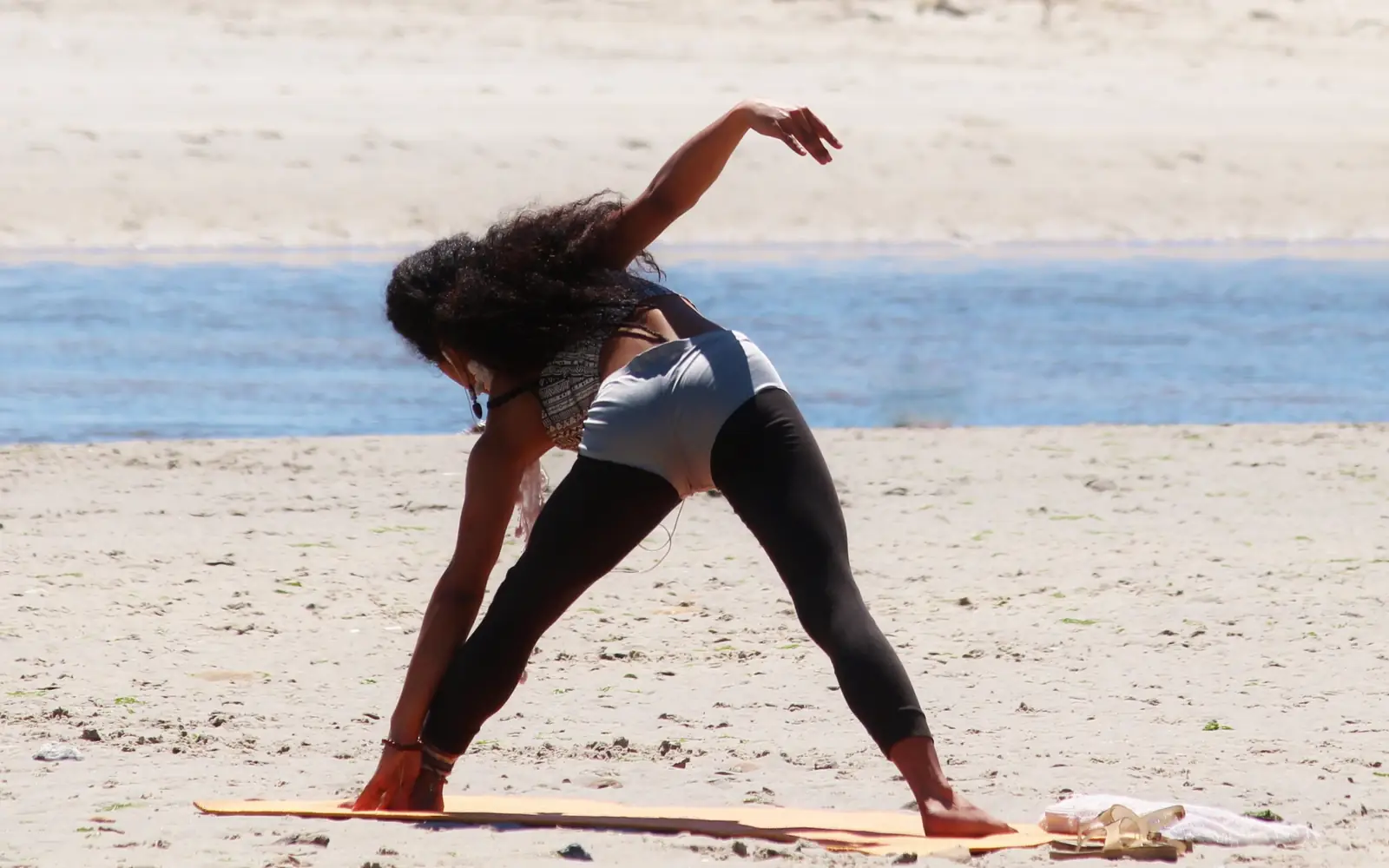
Surface matters. Asphalt heats up; dewy grass slips; sand challenges ankles beneficially but fatigues calves quickly. Scout footing before explosive work.
Weather literacy. Wind chills, heat indexes, and air quality alerts should alter session plans; the CDC physical activity guidance reminds adults to scale outdoor intensity when heat, cold, or poor air quality makes exertion unsafe.
Neighbor etiquette. Slamming med balls at dawn in shared courtyards breeds complaints—choose times and tools thoughtfully.
Recovery parity. Outdoor novelty should not erase rest days; the WHO links sustained habits to balanced load.
Core Equipment Categories
Resistance bands
Loop bands and tube bands with handles enable rows, pull-aparts, squats, and shoulder work. Anchor them to fence posts only when structures are immovable—never glass doors or rotting wood.
Why they matter: Lightweight for travel; scale tension by band thickness.
Suspension trainers
Straps over sturdy horizontal beams or dedicated rigs allow rows, chest presses, and single-leg squats at adjustable angles.
Safety note: Verify anchor weight ratings; tree limbs must be thick and living.
Kettlebells or dumbbells
A moderate pair supports swings, goblet squats, presses, and farmer carries. One kettlebell can train full-body circuits; two unlock symmetrical pressing.
Progression: Master hinge mechanics before explosive swings; consider coaching if lower back bothers you.
Pull-up bar or rings
Park pull-up bars, doorway bars at home, or gymnastic rings between stable posts build upper-body pulling strength.
Scaling: Feet-assisted rows and band-assisted pull-ups precede full hangs.
Jump rope and agility tools
Ropes elevate heart rate in small spaces. Cones or tape marks define agility drills without permanent park damage.
Stable mat or towel
Ground insulation for core work and stretching; wipe dew before seated poses.
Storage and transport
Weather-resistant bins or duffels keep rubber from degrading in UV light. Lockable car trunks deter theft at trailheads.
Optional endurance add-ons
Sandbags, sleds (where pavement allows), and portable bikes expand programming but require more space and budget—add after basics stick.
Park-Friendly Circuit Template
A 30–40 minute session using minimal tools:
- Warm-up walk five minutes plus arm circles and leg swings
- Strength triplet (three rounds): goblet squat, push-up variant, backpack row
- Conditioning five minutes: jump rope intervals or brisk hill walks
- Mobility five minutes: hip flexor stretches, thoracic rotation
Record how you feel 24 hours later; outdoor novelty can hide overuse until calves or shins complain—scale volume gradually.
Pairing Outdoor Work With Studio Memberships
Many readers blend outdoor essentials with boutique programming:
- Run Orangetheory treadmill intervals two days weekly; hike or band-train outdoors on recovery days
- Attend Pure Barre for isometric leg endurance; use parks for walking meetings and thoracic mobility—budget context in our Pure Barre cost guide
- CrossFit affiliates supply barbell skill; outdoor sandbag carries and sprints add unconstrained space
Adults over 60 balancing studio barre with home movement may reference chair yoga versus Pure Barre when deciding whether outdoor chair-based mobility or supported standing drills fit joint tolerance.
None of these links require specific brands outdoors—plain text mentions illustrate common combinations only.
Sun, Hydration, and Seasonal Adjustments
Summer: Train earlier or later; electrolyte fluids for sessions over forty-five minutes; sunscreen and hats; watch for heat illness signs.
Winter: Layer for sweat evaporation; brief exposed skin in extreme cold; shorten rest periods to avoid chilling.
Rain: Waterproof shell for warm-ups; skip metal equipment in electrical storms entirely.
Allergies: Pollen counts may push high-intensity days indoors without shame.
The NIH tips for older adults apply outdoors too—footwear with grip reduces falls on wet leaves.
Safety Checklist
- Inform someone of remote trail locations when training alone
- Carry ID and a charged phone
- Inspect bands for micro-tears before heavy tension
- Use marked crosswalks when running between park zones
- Leash dogs per park rules; avoid tangling jump ropes with pets
- Stop for chest pain, fainting, or sharp joint symptoms
Consult clinicians before new outdoor intensity if cardiovascular or balance conditions are unstable.
Budgeting Without Invented Retail Prices
Prioritize purchases in phases:
| Phase | Focus |
|---|---|
| 1 | Band set, mat, jump rope |
| 2 | One kettlebell or adjustable dumbbell |
| 3 | Suspension trainer or second bell weight |
| 4 | Agility tools, sandbag, specialty items |
Compare local used-market listings for metal weights; buy new bands when elasticity is uncertain. Retail pricing shifts by season and supply chain—check multiple vendors.
Employer wellness stipends occasionally reimburse home fitness equipment with receipts; policies differ.
Building Community Outdoors
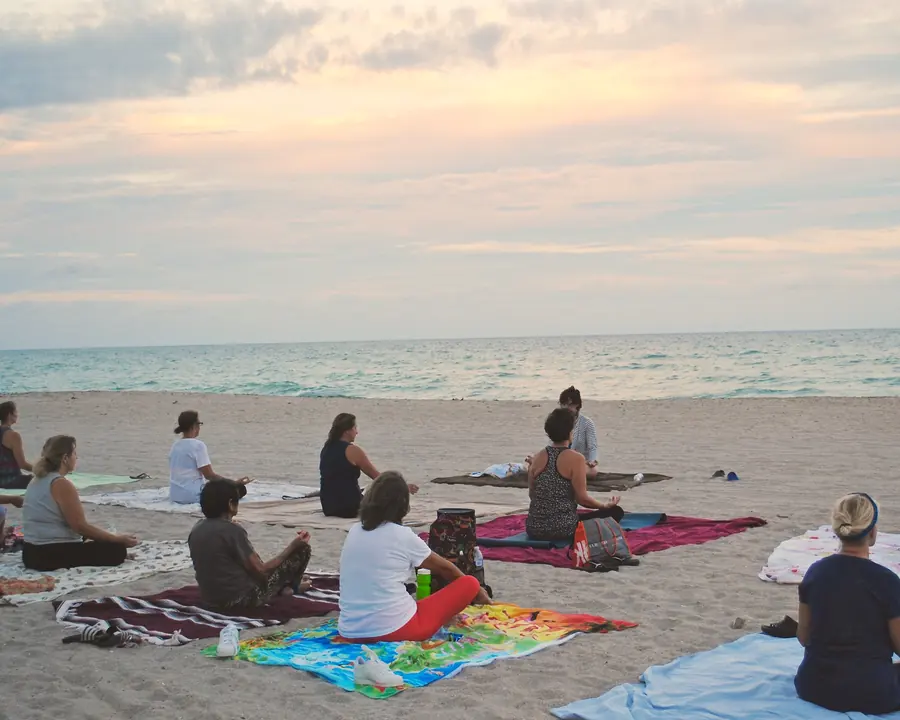
Adult run clubs, bootcamp meetups, and climbing groups add accountability without monthly franchise billing. Introduce yourself to organizers; respect diverse paces.
Outdoor fitness also suits caregivers pushing strollers on walking intervals or teens needing phone-free activity—meet people where they already gather.

When Outdoor Gear Should Not Replace Clinical Care
Physical therapy homework, cardiac rehab, and osteoporosis programs need clinician supervision. Outdoor kits complement—not replace—prescribed progressions.
Pain beyond normal muscle soreness deserves professional evaluation before adding load.
FAQ: Outdoor Gym Essentials
Can I leave kettlebells in my car? Extreme heat and cold degrade handles and bumpers; indoor storage extends life.
Are park pull-up bars safe? Inspect welds and rust; report damage to parks departments.
Do I need permits? Most casual exercise needs none; commercial bootcamps may require permits—organizers handle that, not casual users.
What about noise ordinances? Avoid late-night slam ball work in dense housing.
Is outdoor enough for full strength goals? Yes with progressive loading; ceilings appear eventually without heavier gym access.
How do I train in wind or damp grass? Shorten eccentric sets on slick ground, wipe equipment grips, and shift power work to a sheltered area when gusts affect balance.
What belongs in a park-day pack? Water, band loops, phone, ID, small towel, sunscreen, and a light layer beat hauling the entire home gym every outing.
Final Thoughts From The Wellness Dot Team
An outdoor gym is a mindset and a modest toolkit—bands, bells, safe surfaces, and weather awareness—more than a Instagram-ready jungle gym. Build essentials in phases, pair outdoor days with studio or home habits that match your goals, and confirm equipment pricing with sellers rather than outdated blog tables.
Fresh air workouts reward consistency when recovery and safety stay central. Pack light, train often, and adjust seasons like any other training variable you respect.