Evening Seated Stretches for Better Sleep
Wind down with a calm seated stretch routine that eases neck, back, and hip tension before bed—compatible with meditation and sleep hygiene habits.
Why Evening Stretching May Help Sleep
Sleep quality links to stress arousal, muscle tension, and irregular routines. Vigorous late-night cardio can spike heart rate for some people, but slow seated stretching often pairs well with dim lighting, reduced screen glare, and breathing patterns that downshift the nervous system toward rest.
The Wellness Dot team offers a fifteen-minute evening sequence you can perform in pajamas on a sturdy chair or bed edge. It is educational, not a clinical insomnia treatment. Chronic sleeplessness, loud snoring with gasping, or restless legs warrant medical evaluation.
The CDC sleep and sleep disorders hub summarizes healthy sleep duration and hygiene pillars. The NIH National Heart, Lung, and Blood Institute lists habits such as consistent bedtimes and cool, dark bedrooms.
Prepare Your Space
- Lower overhead lights; use warm lamps.
- Silence phone notifications or enable do-not-disturb.
- Keep water nearby; avoid large meals within two to three hours of bed unless clinically advised otherwise.
- Play soft instrumental music if it masks household noise without stimulating lyrics.
Avoid comparing yourself to flexible influencers; evening practice favors ease over depth.
Breathing Opener (2 Minutes)
Sit tall, hands on belly. Inhale through nose, feel abdomen expand. Exhale longer than inhale—count in for four, out for six or eight. Repeat six cycles.
Extended exhalation gently engages the parasympathetic branch associated with relaxation in many physiology texts—useful before stretching.
Neck and Shoulder Release (3 Minutes)
Ear-to-shoulder tilt: Right ear toward shoulder; keep left shoulder heavy. Hold three breaths; switch.
Chin nods: Small yes-and-no motions within comfortable range—no forcing chin to chest.
Shoulder blade slides: Squeeze shoulder blades together on inhale, release on exhale. Eight reps.
Desk tension often clusters here; releasing before bed may reduce pillow-thrashing from upper-back stiffness.
Thoracic and Low Back Ease (4 Minutes)
Seated side bend: Left hand on chair seat, right arm overhead lean left. Switch.
Gentle rotation: Right hand on left knee, twist left on exhale. Keep rotation moderate if osteoporosis is present.
Pelvic tilt: Arch and round lower back while seated. Slow rhythm soothes lumbar paraspinals after sitting-heavy days.
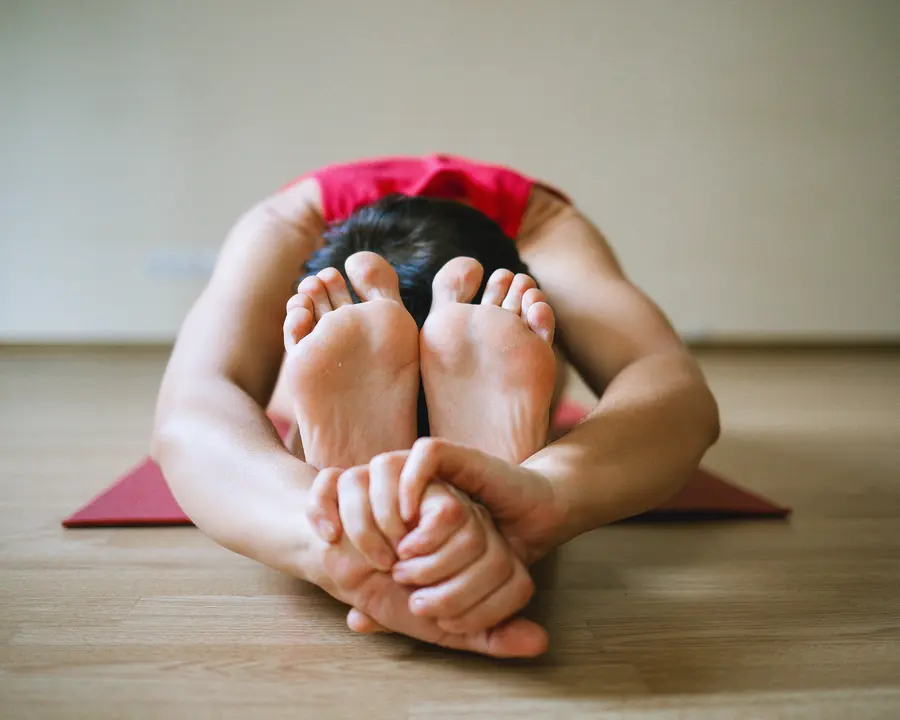
Forward fold on chair: Feet wide, hands on thighs, hinge hips with long spine. Mild hamstring stretch; rise slowly to avoid dizziness.
If you use a CPAP at night, stretches do not replace adherence to prescribed apnea therapy.
The Mayo Clinic healthy sleep tips article pairs relaxation rituals with environmental cues.
Hip and Leg Unwind (4 Minutes)
Figure-four: Ankle over knee, hinge forward gently. Switch sides.
Seated hamstring stretch: Extend one leg, flex foot, hinge forward. Alternate.
Ankle circles: Ten each direction per foot—helps fluid balance after swelling from long shifts.
Calf stretch: Foot back, heel down, knee bent or straight per comfort while hands rest on dresser for balance.
Avoid aggressive hot yoga depth; evening tissue prefers melting, not straining.
Closing Quiet Sit (2 Minutes)
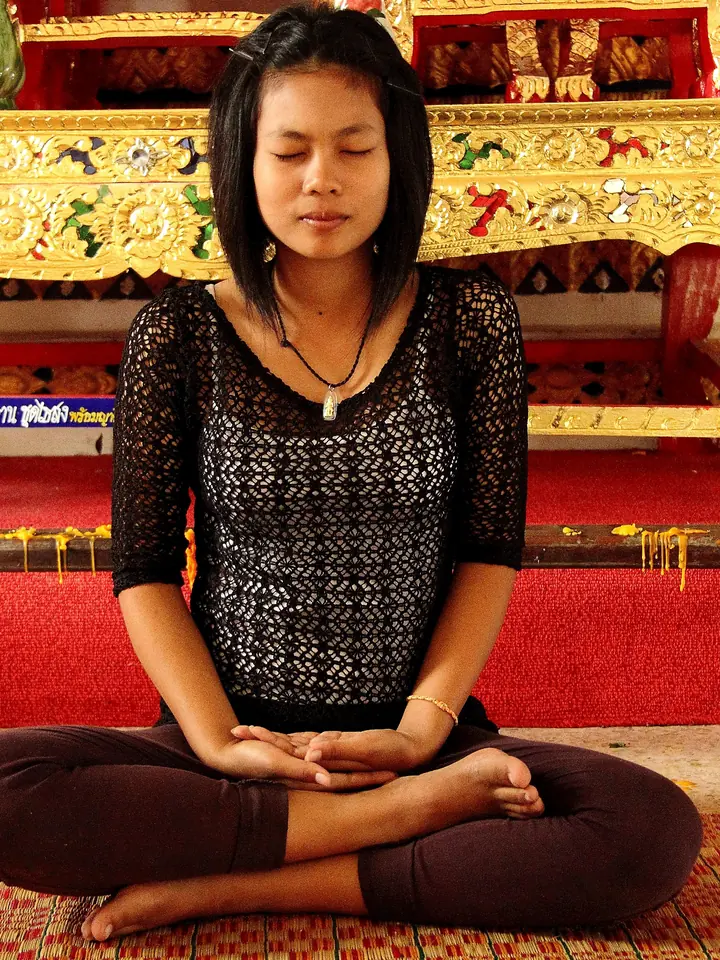
Hands rest on thighs, eyes closed or soft gaze. Notice heartbeat slowing. Set an intention: “When I wake, I will walk to the window for morning light.”
Optional body scan from forehead to toes, relaxing each region on exhale—technique used in mindfulness programs studied for sleep adjunct benefits.
The Mayo Clinic mindfulness introduction explains brief scans suitable before bed.
Pairing With Sleep Hygiene Basics
Stretching amplifies—not replaces—core habits:
- Fixed wake time even after poor nights
- Limit caffeine after personal cutoff (often early afternoon)
- Reserve bed for sleep and intimacy, not bill paying
- Morning outdoor light when possible to anchor circadian rhythm
Screens within an hour of bed may delay melatonin in sensitive individuals; stretch first, then night mode reading if desired.
Who Should Modify or Skip Moves
Vertigo: Keep head neutral; avoid rapid position changes.
Glaucoma: Some clinicians advise avoiding inverted head positions; keep head at or above heart level.
Pregnancy: Use wide-leg seated poses; avoid deep twists unless obstetric team approves.
Chronic pain: Smaller ranges; heat pack after stretching if care team agrees.
Frequency and Expectations
Nightly practice builds ritual power. Occasional practice still helps after stressful days. Track sleep latency and night wakings in a diary for two weeks to notice patterns—share with clinicians if problems persist.
Research on sleep and mind-body practices appears throughout PubMed; effect sizes vary by population, reinforcing personalized medical care for insomnia disorders.
Contrast With High-Intensity Night Workouts
Some athletes train at night without issue. Older adults and anxious sleepers often benefit from separating strenuous lifting from bedtime by three or more hours. Evening seated stretching occupies the opposite end of the intensity spectrum.
Partner and Caregiver Routines
Couples may stretch silently side by side—low-pressure bonding without problem-solving talk that reactivates stress.
Caregivers finishing evening shifts can transition their own nervous system before sleep with the same chair flow used for care recipients earlier—symmetry prevents burnout loops.

When to Seek Sleep Medicine
Consult specialists for insomnia lasting months, suspected sleep apnea, periodic limb movements, or daytime impairment affecting driving safety. Cognitive behavioral therapy for insomnia remains first-line for chronic issues in many guidelines.
Stretching complements behavioral therapy; it does not replace structured CBT-I.
Travel and Time Zone Changes
Hotel chairs work for this routine after flights. Combine with morning light exposure at destination; the NIH healthy sleep habits summary reinforces consistent wind-down rituals when time zones shift.
Sample Weeknight Timeline
| Time | Action |
|---|---|
| 8:30 p.m. | Dim lights, devices on night mode |
| 8:40 p.m. | Fifteen-minute seated stretch |
| 8:55 p.m. | Herbal tea if desired, journal three gratitude lines |
| 9:15 p.m. | In bed, slow breathing |
Adjust clock times to your chronotype; consistency matters more than matching bloggers.
Final Reflection
Evening seated stretches invite your body into the same slowdown your mind craves after productivity mode. The Wellness Dot team favors this sequence because it meets you where fatigue already sits—literally—in the kitchen chair after dishes.
Sleep remains partly mysterious, yet small tactile rituals stack evidence and comfort. Return to this practice gently when life interrupts, knowing each calm exhale is practice for the night you need rest most.
Scent, Temperature, and Stretch Synergy
Lavender scent lacks unanimous trial proof yet many readers pair it with stretch rituals as a conditioned cue. Keep bedroom cool—65 to 68 degrees Fahrenheit works for many adults—as muscles relax post-stretch.
Warm showers before seated work can duplicate gym cooldown logic when time allows; pat dry, then perform chair routine in pajamas.
Sharing the Routine With Children or Grandchildren
Quiet family stretch minutes teach regulation skills to youngsters overstimulated by tablets. Whisper voice levels reinforce impending sleep for the whole household.
Shift Workers and Irregular Bedtimes
Night-shift employees can use this sequence after daylight exposure blocking with blackout curtains, adapting “evening” to their circadian landing time. Consistency relative to shift start matters more than clock numbers on the wall.
Journaling After Stretch
Three lines in a notebook—what went well, what worried, tomorrow’s tiny priority—clears mental tabs some minds replay in bed. Pair with stretches as closing ritual.
When Stretches Feel Too Activating
Rarely, deep backbends energize instead of calm. Favor forward folds and long exhales those nights; personalize without abandoning the ritual shell.
FAQ: Evening Stretching and Sleep
How long before bed should I finish? Many adults end ten to twenty minutes before lights out so heart rate settles. Experiment with timing across a week and note sleep latency in a diary.
Can I do this in bed instead of a chair? Bed edge works when mattresses are firm enough to sit tall. Avoid sinking sofas that round the spine aggressively.
Will this cure insomnia? Stretching is a hygiene adjunct. Chronic insomnia, apnea, and restless legs need clinical evaluation per CDC sleep health guidance—not stretching alone.
Should I stretch if I already took a sleep aid? Gentle movement may still help relaxation, but avoid standing poses if drowsiness impairs balance. Prefer seated breathing when sedation is peak.
What if pain wakes me nightly? Night pain deserves musculoskeletal or medical assessment beyond stretching. Document which positions relieve versus aggravate symptoms for your clinician.